
A Rapid and Highly Effective Ground Improvement Approach
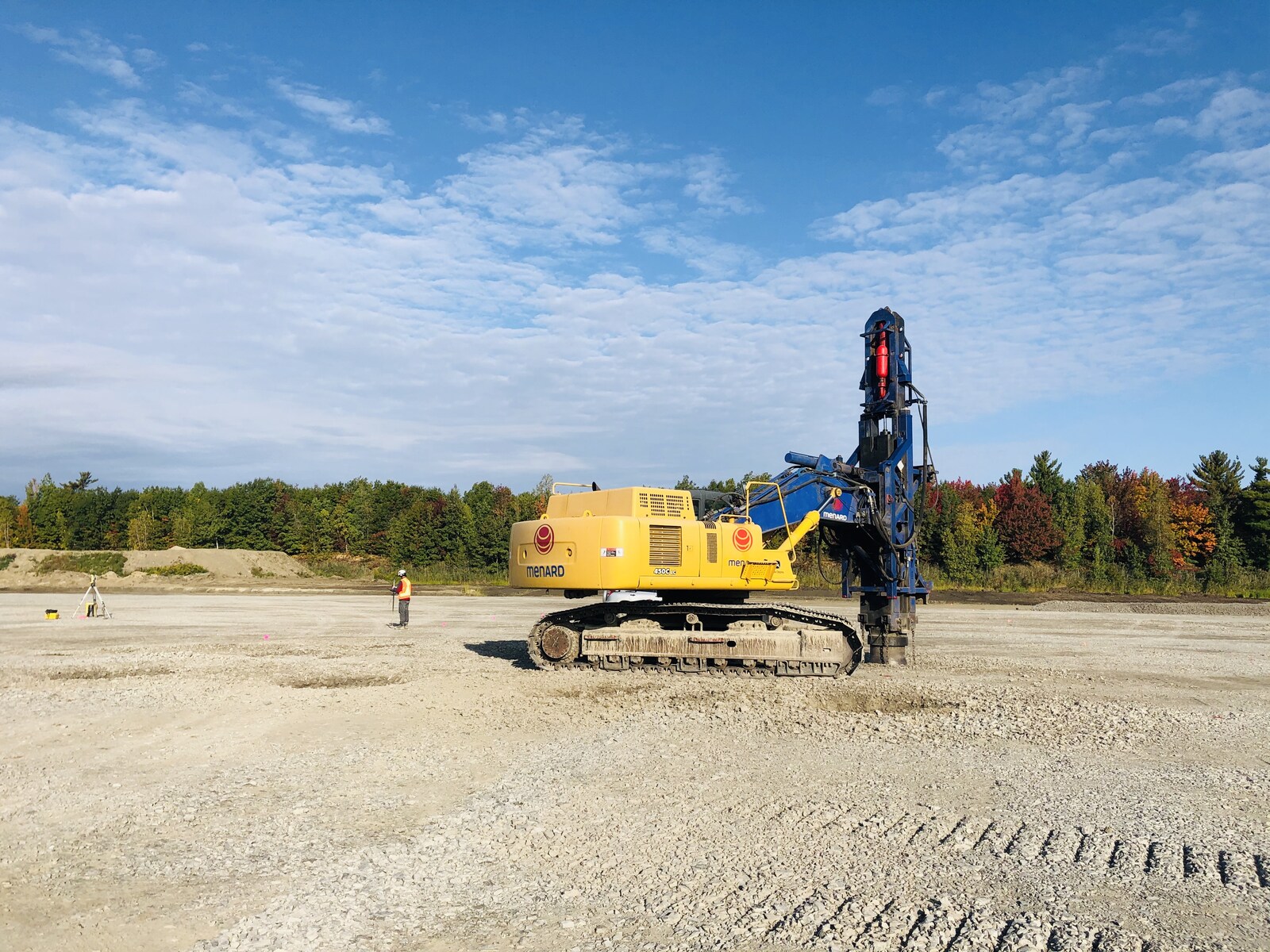
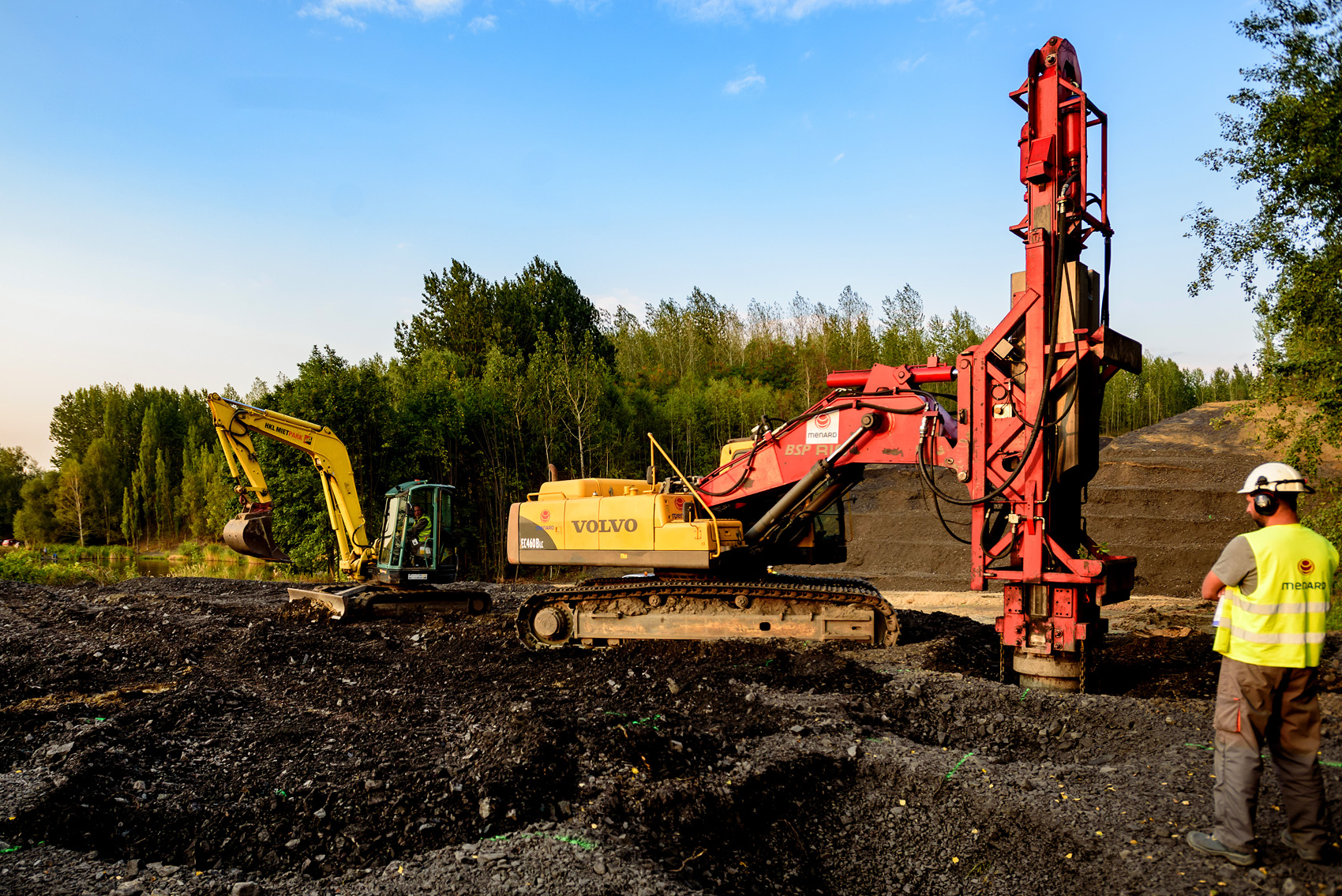
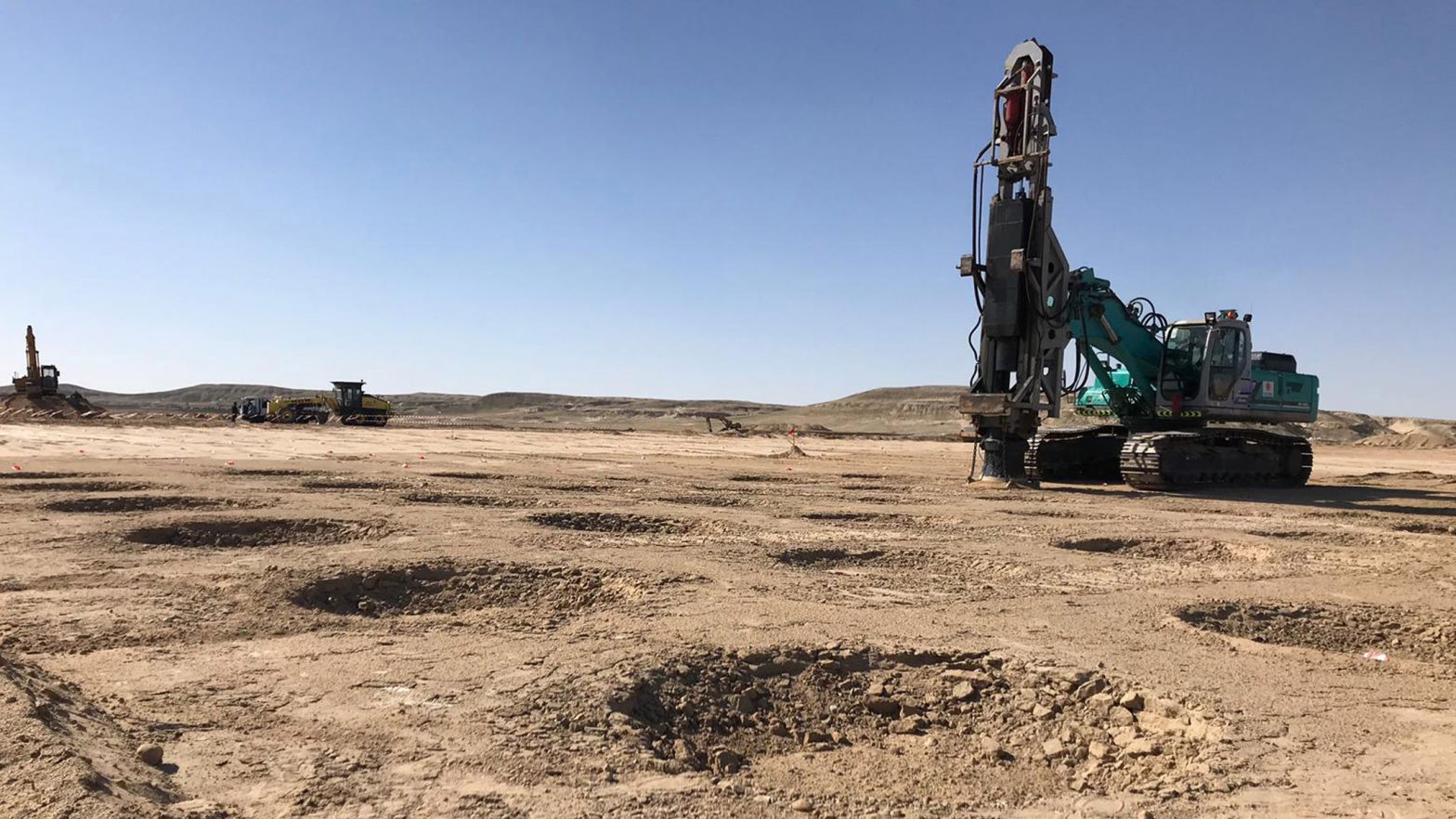
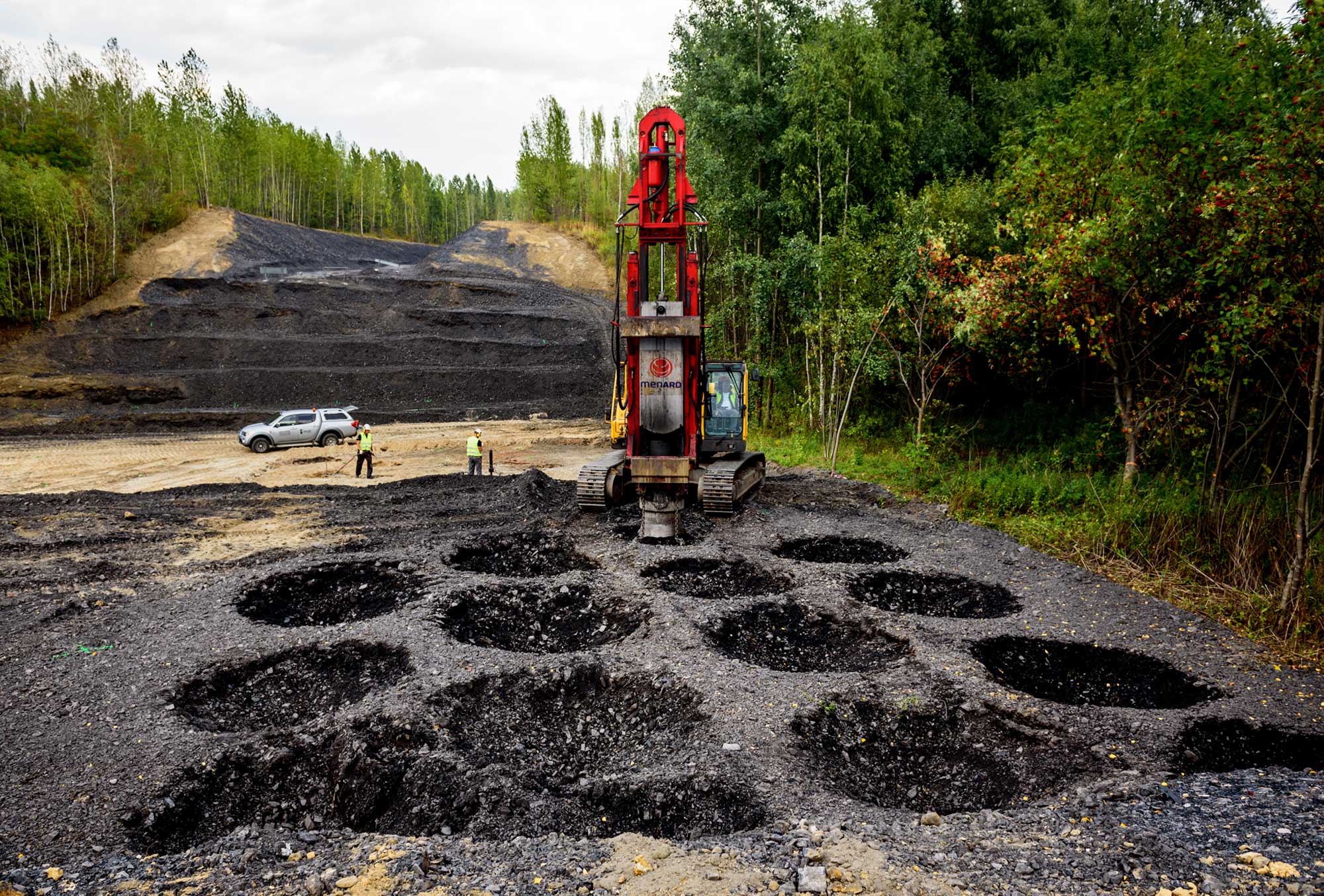
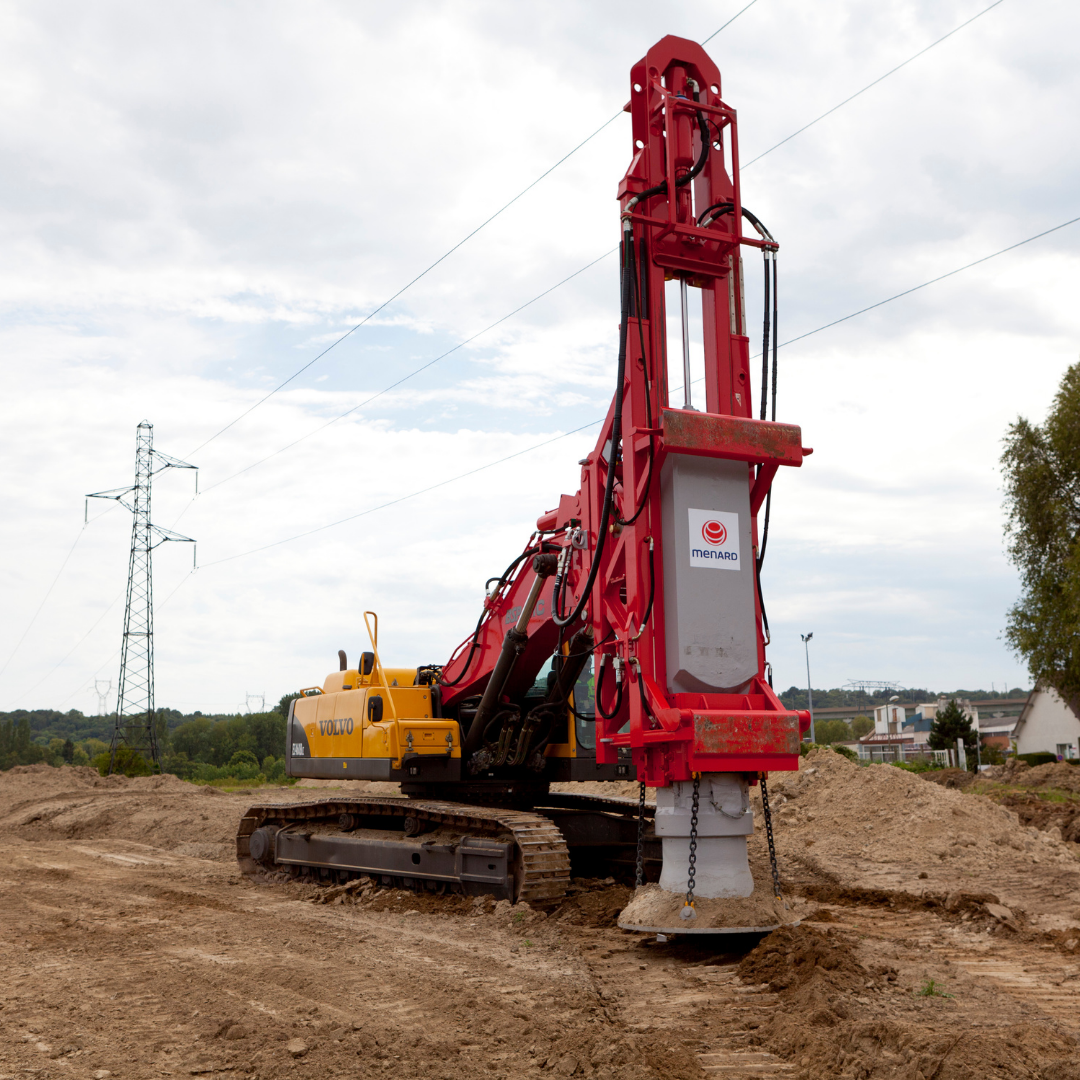
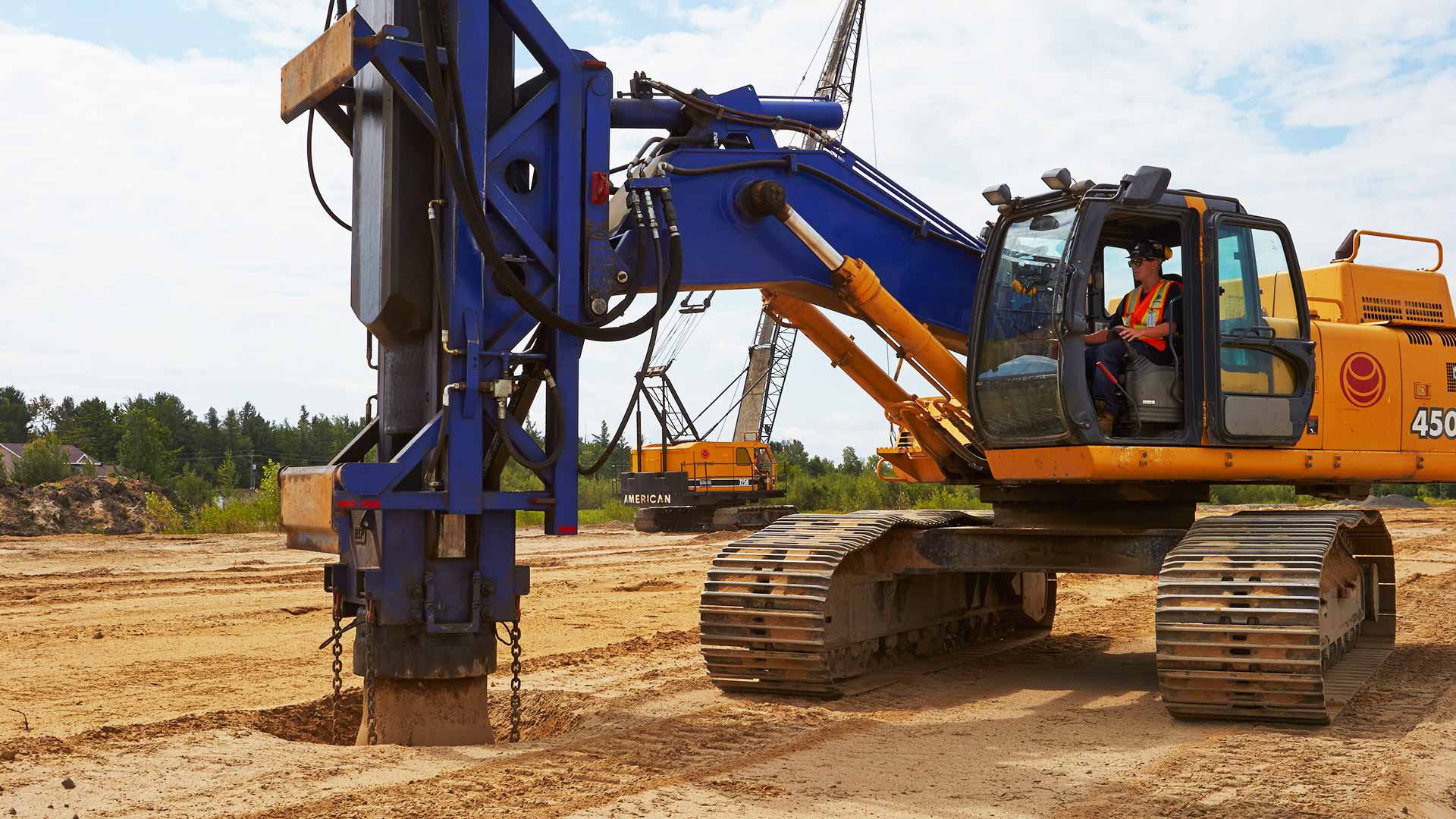
Rapid Impact Compaction (RIC) is a ground improvement method that efficiently densifies loose, granular soils. It uses a hydraulic hammer and an anvil to repeatedly pound the soil at high frequencies to densify granular soils. This results in increased density, which ultimately increases bearing capacity and decreases the settlement of future structures.
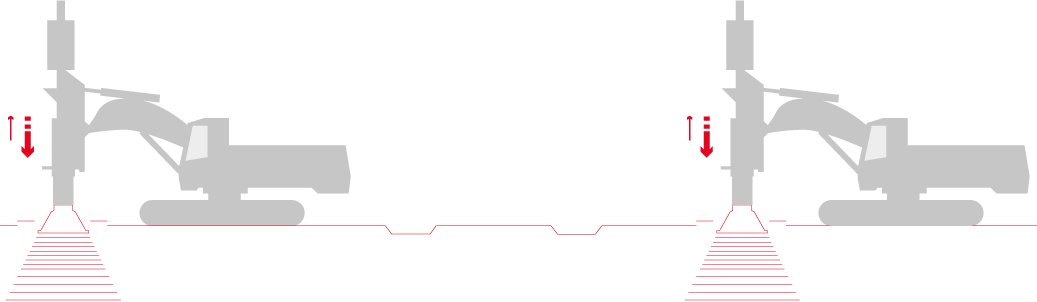


How it Works
RIC technology is favoured for its use in the construction of buildings: underneath the foundation slabs/floors of industrialized and commercial structures and other very heavy surfaces, such as warehouses, storage tanks, and roadways and embankments. One of the best advantages of the RIC method is its agility and the relatively small size of the equipment used, giving it access to tight access areas.
Our Promise of Quality Assurance
Menard Canada's ground improvement proposals will always have straightforward pricing, so you will never have to worry about any unexpected project extras. The cost that we quote you on is your project's cost; it's that simple. Furthermore, we will always work to meet and exceed all your project expectations by performing tasks using the most thorough quality control measures possible to ensure a positive project outcome for your project; this is our promise to you.
We invite you to review our testimonials below and see what makes Menard Canada different.